Have you ever ever been handled unequally? Have you ever ever felt disregarded? Have you ever ever skilled unfair therapy? But you haven’t any one to fret about, not even to speak to.
Discrimination within the office might be thought of a violation of the legislation. This may take many types, resembling unfair therapy of an worker or job applicant based mostly on gender, race, sexual orientation, age, incapacity (personally, I prefers to name it particular wants), faith and social background.
Discrimination can happen in any side of employment, from hiring, promotion and compensation to amenities and dealing circumstances. Discrimination within the office is a worrying problem that impacts many individuals all over the world, together with these in ASEAN.
Some of the prevalent types of discrimination within the office is the gender pay hole or nationality/race or totally different therapy/amenities.
Discrimination within the office may have a unfavourable impact on employment. This may result in decrease satisfaction and productiveness, in addition to elevated absence and turnover charges. It may even have a major influence on psychological well being.
Lastly, discrimination within the office can even have critical penalties for firms or any establishment, together with worldwide organizations, lecturers and NGOs which I’ll confer with under as “firms et al”.
Discrimination can result in a lack of expertise which leads to decrease productiveness, yields and earnings. Firms and others who fail to deal with discrimination can even face authorized motion that may result in expensive settlements and harm the corporate’s repute.
The gender pay hole and discrimination are critical issues in lots of ASEAN nations, the place girls typically earn lower than males for a similar work.
The gender pay hole in ASEAN ranges from 16% within the Philippines to 34% in Cambodia. This pay hole is commonly because of a mixture of things, together with gender stereotypes, occupational segregation and unequal entry to training and coaching.
Particularly, in Indonesia, the common month-to-month wage of ladies was 25% decrease than that of males (BPS, 2021).
It additionally finds that girls have been extra prone to work in low-paying sectors resembling agriculture and the comparatively lower-skilled service sector, whereas males have been extra prone to work in higher-paying sectors resembling finance and mining.
Furthermore, in Indonesia, solely 25% of well-paid managerial and supervisory jobs are held by girls, and even in these fields, girls stay underpaid in comparison with males (ILO, 2020).
Within the Philippines, whereas the federal government has made progress in closing the gender wage hole, important disparities stay.
The typical wage of ladies within the Philippines was 22% decrease than that of males, and girls have been underrepresented in high-paying sectors resembling finance and expertise (WEF, 2020).
Furthermore, the Covid-19 pandemic has additionally disproportionately affected girls via job losses and lowered working hours not solely in ASEAN but in addition all over the world.
There are no less than 4 underlying components that drive discrimination.
First, gender stereotypes play a major function in perpetuating the wage hole and differential therapy inside ASEAN.
Many employers imagine that girls are much less competent or dedicated than males and due to this fact provide them decrease wages.
This stereotype is commonly bolstered by societal norms that assign girls the function of housekeeper and males that of breadwinner.
Girls are principally seen as secondary earners and are due to this fact paid lower than their male counterparts.
Second, occupational and academic segregation is one other issue that contributes to the gender wage hole.
Girls are sometimes concentrated in low-paying and historically female-dominated sectors, resembling well being, training and (comparatively low-skilled) social companies.
These sectors have a tendency to supply decrease wages than male-dominated sectors resembling expertise, engineering, and finance.
Lastly, unequal entry to training and coaching is one other vital issue within the pay hole.
Girls typically have much less entry to training and coaching than males, which limits their alternatives to amass the abilities and {qualifications} wanted for higher paying jobs.
This unequal entry to training and coaching is commonly because of cultural and societal limitations that restrict girls’s mobility and development alternatives.
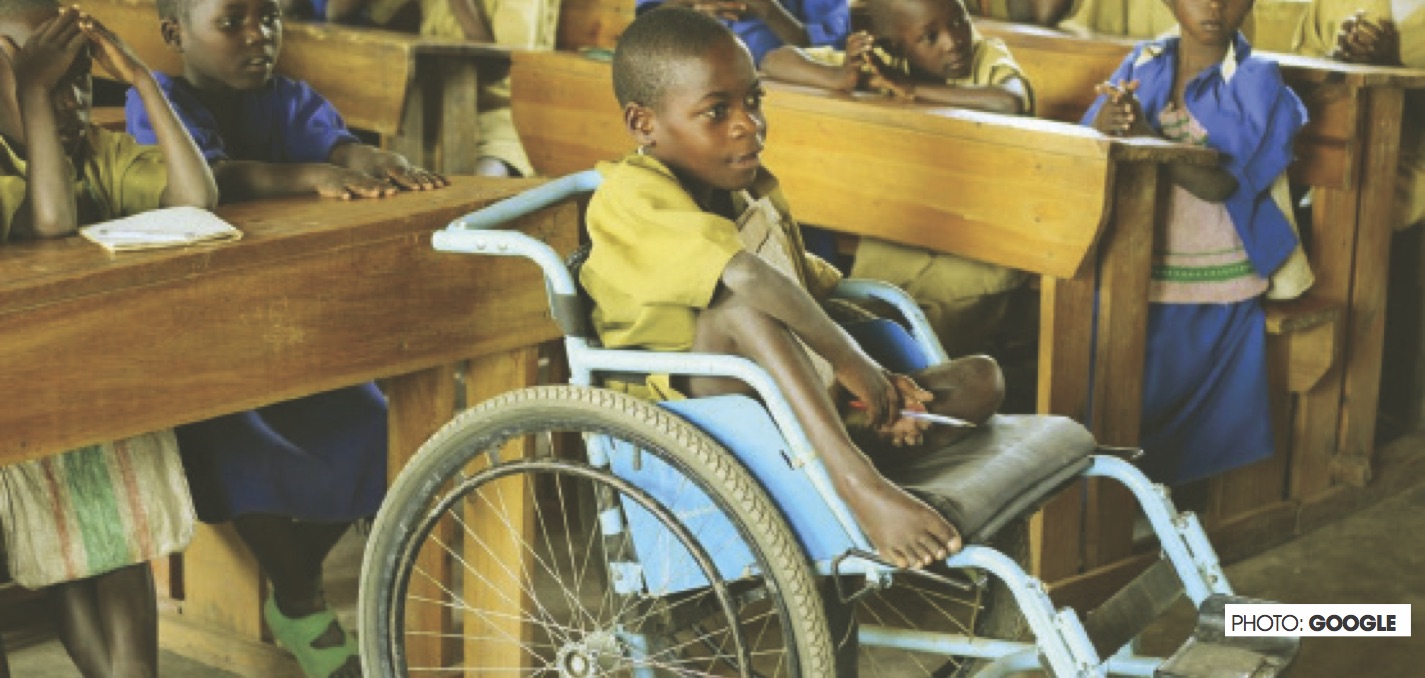
Discrimination in opposition to folks with particular wants and younger employees can be a serious downside in various ASEAN nations. Individuals with particular wants typically face limitations to employment and are sometimes paid lower than their non-disabled friends.
Younger employees additionally typically face discrimination within the office, together with decrease wages and disadvantaged improvement alternatives.
Along with the gender pay hole and discrimination based mostly on incapacity and age, discrimination within the office additionally takes different types, together with discrimination based mostly on nationality, race, ethnicity, faith, sexual orientation and social origin.
As in all different nations, concerted efforts are wanted to advertise gender equality in training, employment and social requirements. Within the office, first, companies and others will need to have clear insurance policies, laws and procedures in place to stop discrimination.
These insurance policies have to be communicated clearly and utilized in a constant and non-discriminatory method to all staff.
Hiring and promotion practices needs to be truthful and unbiased, which incorporates growing job descriptions and necessities based mostly on precise duties and {qualifications} required, somewhat than private traits resembling age or intercourse.
Firms should additionally make sure that all candidates are evaluated pretty and persistently and that promotions are based mostly on benefit somewhat than private bias.
Insurance policies also needs to embody reporting mechanisms for workers who expertise discrimination, and the corporate ought to take all complaints significantly and examine them promptly.
Second, firms and others ought to present the mandatory amenities for workers with particular wants and dealing mother and father.
This may occasionally embody modifications to the bodily workspace, resembling wheelchair ramps or accessible washrooms, lodging near the workplace, and assistive expertise for folks with particular wants in addition to childcare amenities youngsters for working mother and father.
Lastly, firms and others ought to attempt to create a tradition of inclusion, the place all staff really feel valued and revered. This contains selling range and inclusion in all facets of the office, from the language utilized in communications to occasions and actions provided to staff.
By making a tradition of inclusion, firms and different establishments may also help cut back the chance of discrimination within the office. This contains implementing anti-discrimination legal guidelines and insurance policies, equal entry to training and coaching, selling range and inclusion within the office, and elevating consciousness of the consequences dangerous results of discrimination.
Along with this, governments and civil society should assure equal academic alternatives and fundamental human rights for all. Addressing office discrimination and the gender wage hole in ASEAN is essential to selling social justice and equal alternatives for all employees.
Governments, employers and civil society organizations should work collectively to eradicate discriminatory practices and insurance policies and promote range and inclusion within the office.
Solely by working collectively to deal with office discrimination and the pay hole can we promote social justice and in the end obtain a extra equitable, inclusive and affluent ASEAN.
—
Lili Yan Ing is Secretary Common of the Worldwide Financial Affiliation (IEA) and Senior Advisor for Southeast Asia Area, Financial Analysis Institute for ASEAN and East Asia (ERIA).
The opinions expressed on this article are these of the writer.
Tags: Key phrases: